The global fine jewelry industry is undergoing a profound shift from standardized mass production to personalized customized services. In the past decade, conventional ready-made diamond jewelry with fixed styles has dominated the retail market, but homogeneous design and rigid styling have gradually failed to meet the increasingly diverse aesthetic and emotional needs of modern consumers. Today’s jewelry buyers, especially millennial and Gen Z customers, no longer pursue stereotyped luxury products. Instead, they value uniqueness, symbolic meaning, design sense, and cost performance when purchasing fine jewelry. This consumption transformation has completely changed the operational logic of the jewelry wholesale industry, making personalized customized products and high-cost-performance bulk jewelry the two core growth tracks of the market.
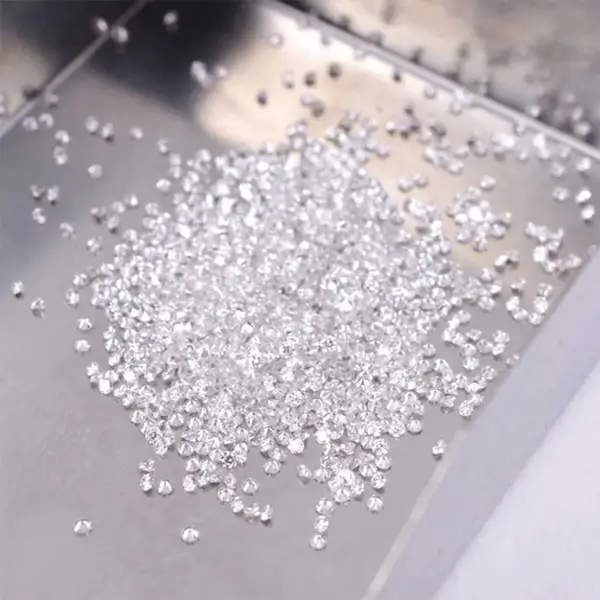
Lab grown diamonds have become the cornerstone of this industry transformation. Different from scarce, high-priced natural diamonds with unstable batch quality, modern lab grown diamonds are cultivated through mature CVD and HPHT technological processes. They possess exactly the same hardness, luster, optical properties, and chemical composition as natural diamonds, while offering more stable 4C parameter control, richer cutting styles, and extremely competitive pricing. More importantly, the flexible production characteristics of lab grown diamonds perfectly match the personalized customization needs of the modern jewelry market, solving the problems of high cost, long cycle, and low success rate of natural diamond customization. This makes lab grown diamond-based customized jewelry the most popular innovative product in the current fine jewelry industry.
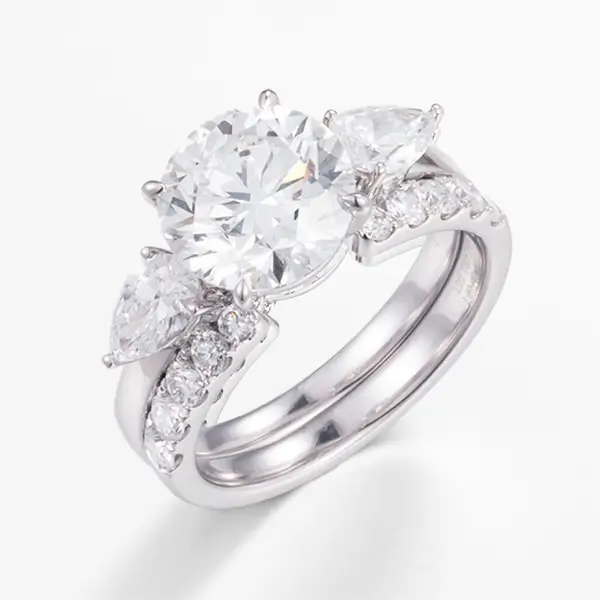
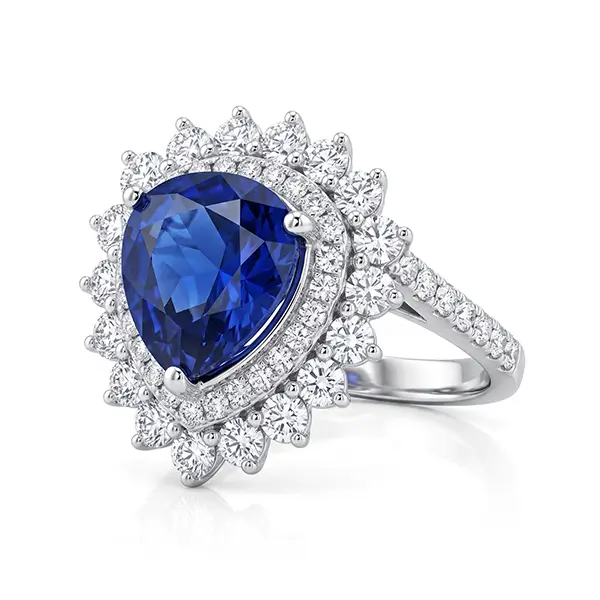
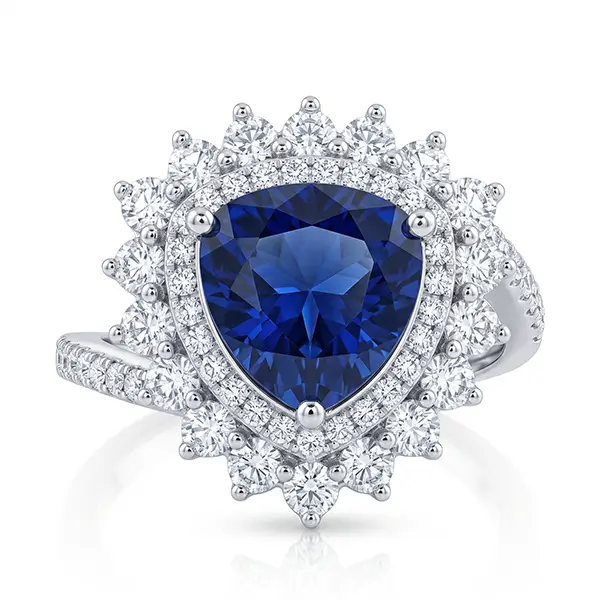
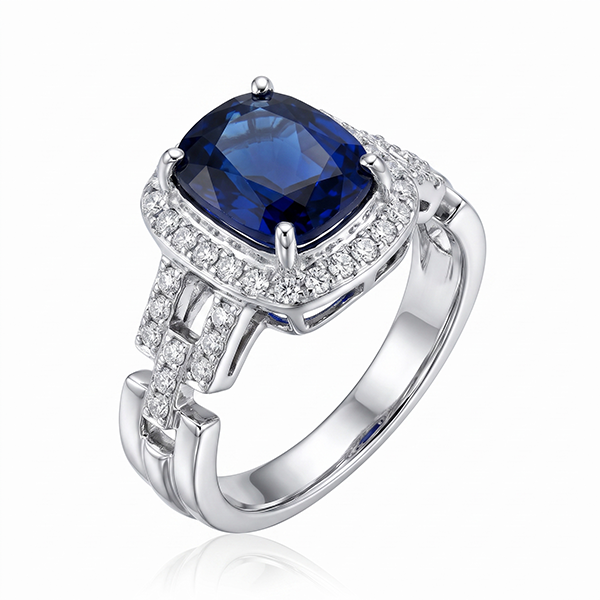
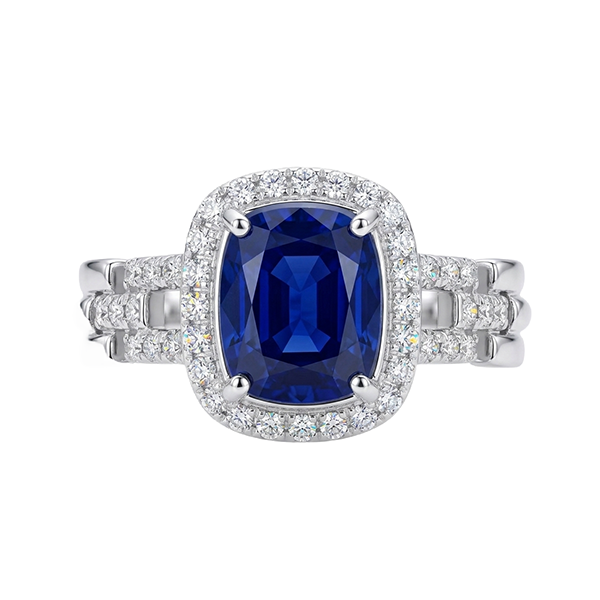
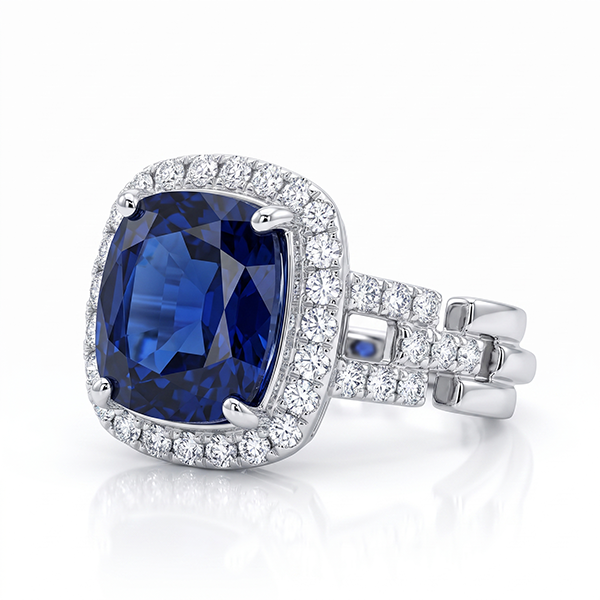
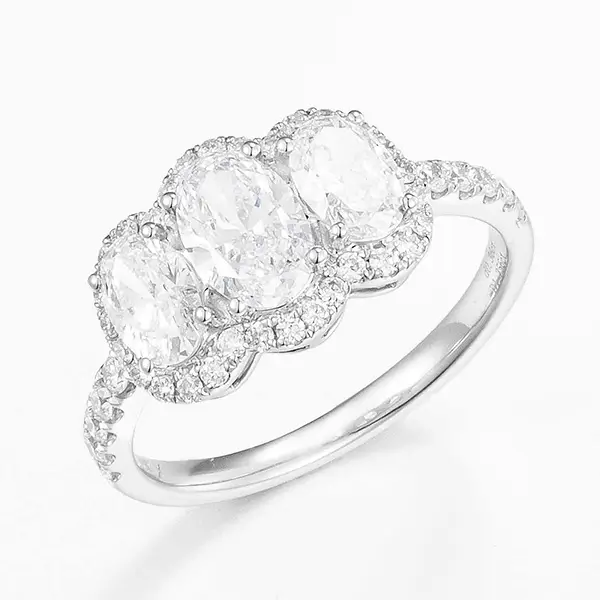
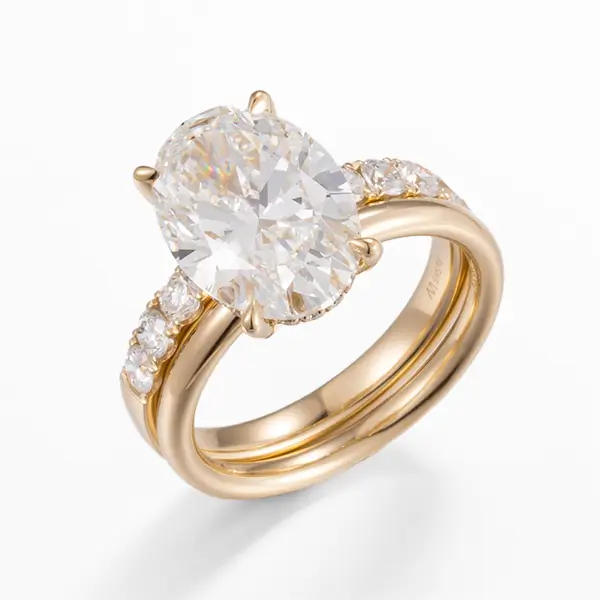
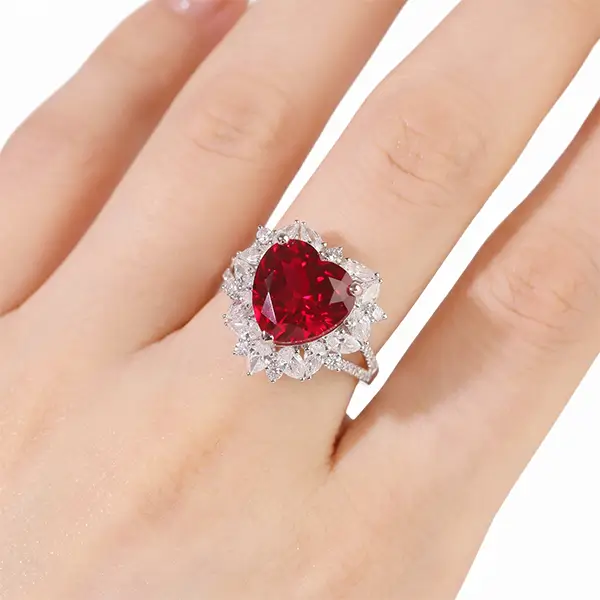
Among all customized fine jewelry categories, custom diamond rings have the highest customer unit price, strongest emotional attribution, and largest market demand. Rings are no longer limited to traditional wedding and engagement scenarios; they have become important accessories for daily wear, anniversary gifts, emotional commemoration, and self-reward. Traditional natural diamond custom rings are limited by raw material scarcity, resulting in single design options and extremely high customized costs, which can only serve a small number of high-end consumers. In contrast, lab grown diamond customization breaks all these limitations, supporting personalized adjustments of carat weight, cutting shape, color grade, clarity, metal material, and inlay style, bringing customized luxury to mass consumers.
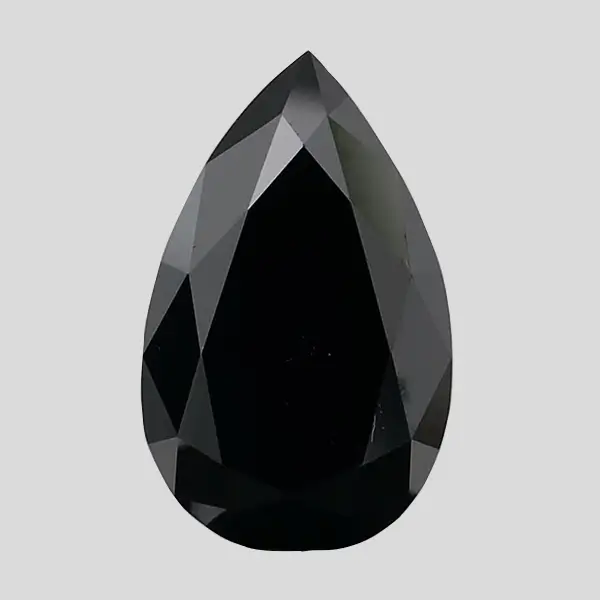
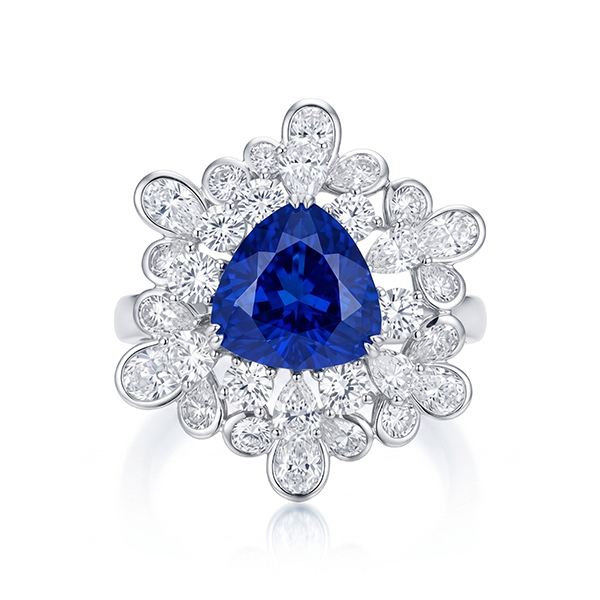
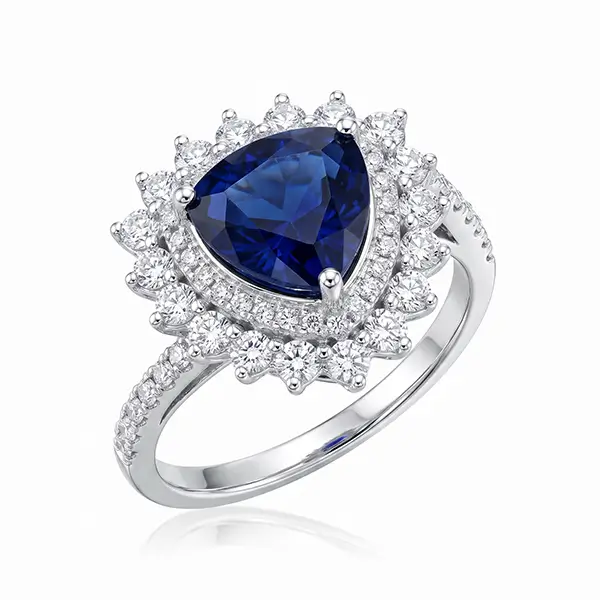
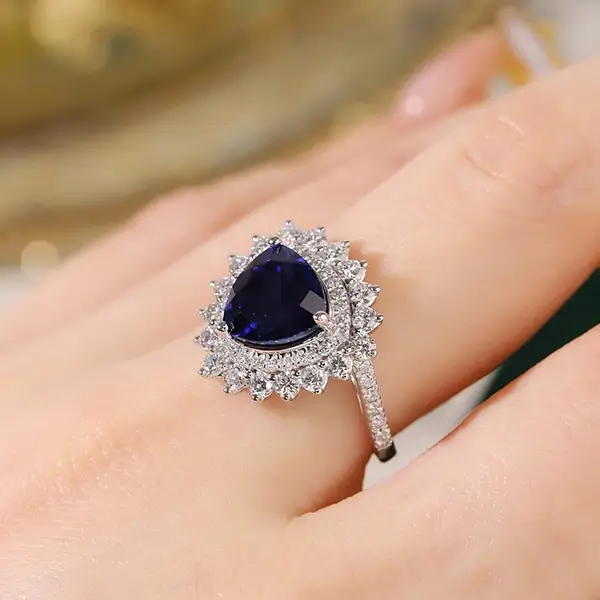
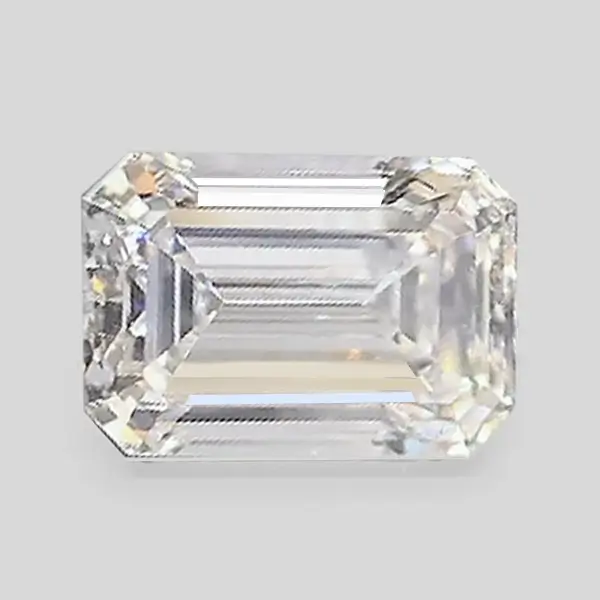
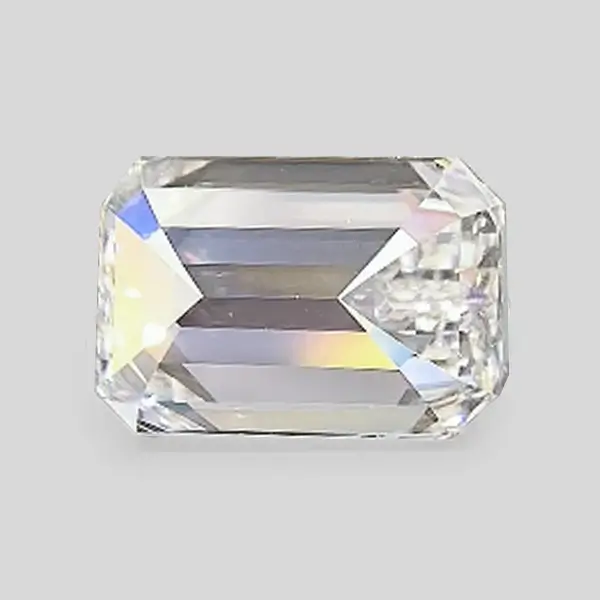
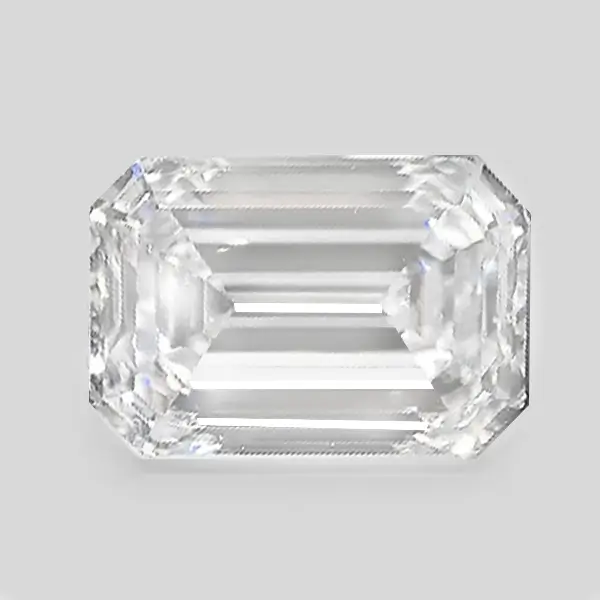
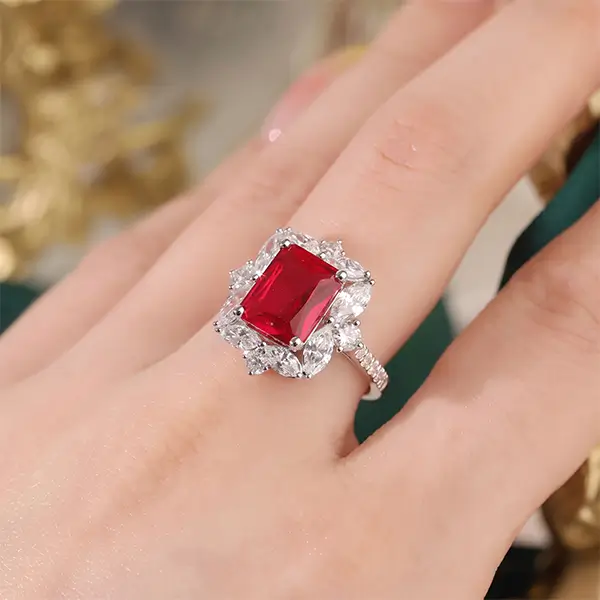
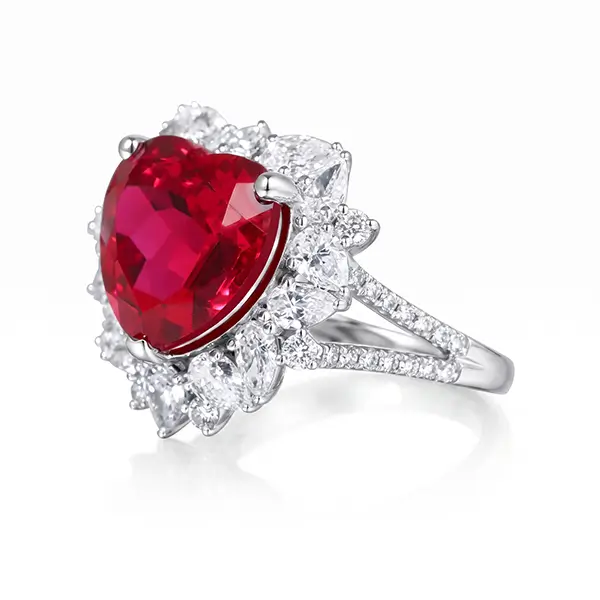
Custom lab grown diamond rings have redefined the personalized jewelry market in 2026, balancing unique design creativity, exquisite craftsmanship, and affordable pricing. For jewelry retailers and custom studios, customized ring products are the best way to build brand differentiation and user stickiness. Unlike ready-made jewelry that can be purchased by any competitor, customized lab grown diamond rings can be tailored according to customers’ finger size, aesthetic preference, story theme, and wearing scenarios. Designers can combine classic emerald cut, round brilliant cut, pear cut and other fancy cutting styles with minimalist, retro, luxury, and niche trendy inlay craftsmanship to create exclusive jewelry works for each customer. This high degree of personalization greatly improves customer satisfaction and repurchase rate, and forms an irreplicable core competitive advantage for jewelry stores.
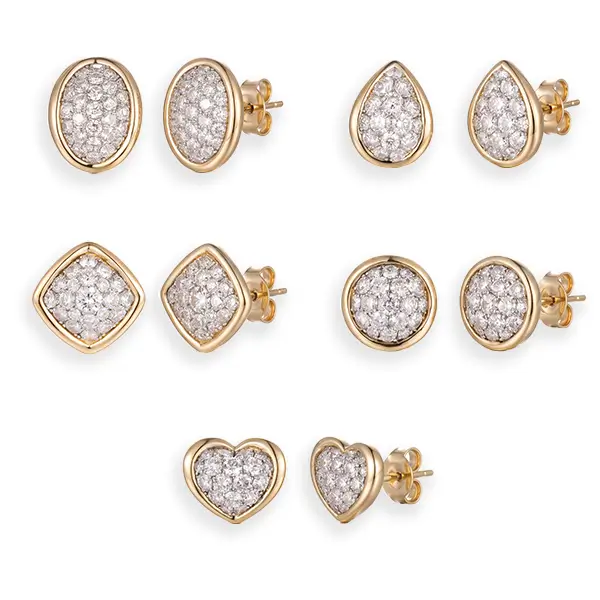
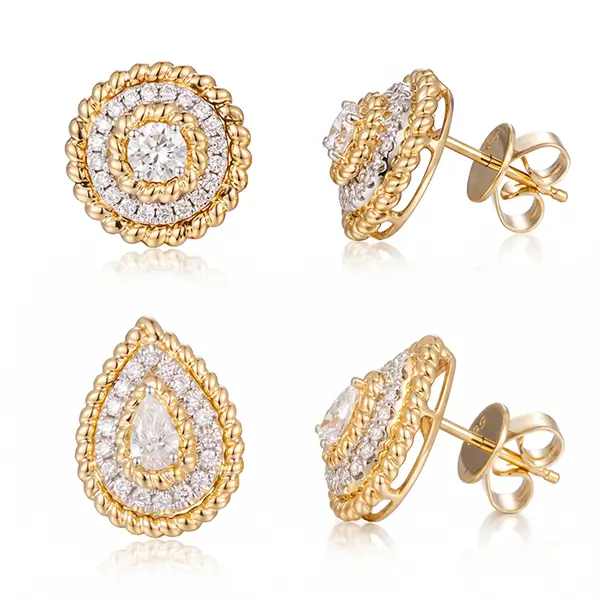
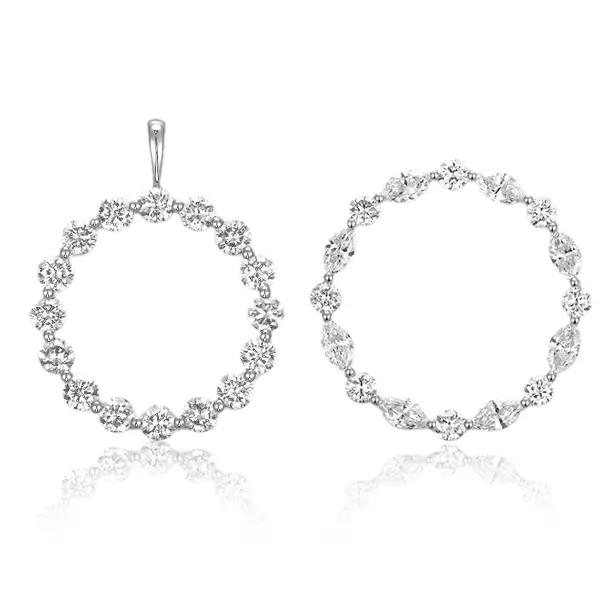
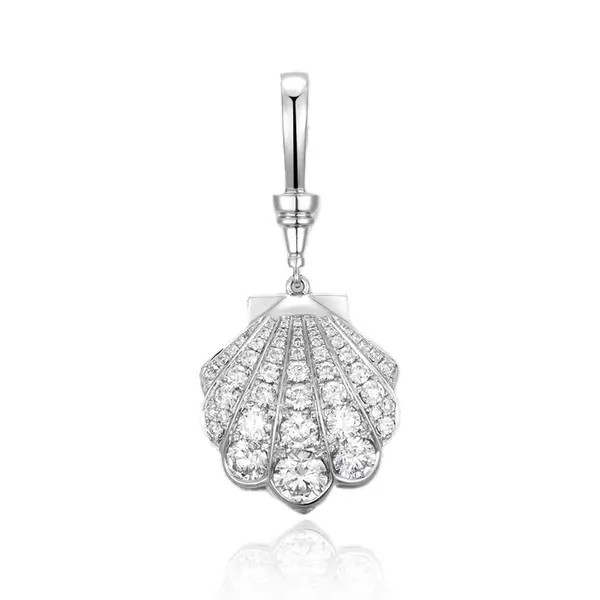
While customized products capture high-end personalized market demand, standardized bulk jewelry undertakes the daily sales and stable profit tasks of jewelry stores. For B-end jewelry wholesalers, brand retailers, and cross-border e-commerce sellers, stable supply, diverse styles, and high cost performance are the core indicators for selecting cooperative products. With the increasingly mature lab grown diamond industrial chain, bulk lab grown diamond jewelry has achieved standardized large-scale production, covering rings, earrings, necklaces, bracelets and other full-category products, which can fully meet the one-stop procurement needs of global buyers.
Wholesale lab grown diamond jewelry has become the mainstream supply choice for the global fine jewelry wholesale market, completely subverting the traditional natural diamond wholesale system. The traditional natural diamond jewelry supply chain is lengthy and opaque, with multiple layers of middlemen markup, resulting in high terminal procurement costs and narrow profit margins for retailers. Meanwhile, natural diamond jewelry is restricted by raw material output, with unstable batch quality and insufficient new product update speed, which cannot adapt to the fast-paced fashion iteration of the modern jewelry market.

Lab grown diamond jewelry wholesale solves all the pain points of the traditional industry. Professional suppliers have integrated industrial chain capabilities from diamond cultivation, precision cutting and polishing, jewelry inlay processing to finished product quality inspection. They can stably supply full-category, multi-style lab grown diamond jewelry with unified batch quality and transparent ex-factory prices. Compared with natural diamond jewelry, wholesale lab grown diamond jewelry has a cost advantage of more than 70%, allowing retailers to launch high-quality fine jewelry at affordable prices while retaining sufficient profit space.
The combination of customized high-end products and standardized wholesale products forms a perfect business matrix for modern jewelry stores. On the one hand, mass wholesale lab grown diamond jewelry enriches store SKUs, meets daily customer matching needs, ensures stable store passenger flow and basic sales volume, and reduces inventory pressure through standardized batch procurement. On the other hand, custom lab grown diamond rings take charge of high-margin business, relying on unique design and exclusive customization to improve store brand grade and customer unit price. This dual-product operation model of “mass sales + high-end customization” has become the standard profit model for excellent jewelry retailers in 2026.
In terms of product quality and market compliance, all formal wholesale and customized lab grown diamond products support authoritative international certification such as IGI and GIA. Each diamond has clear laser inscription and complete parameter identification, with traceable quality and guaranteed authenticity. Whether it is bulk daily wholesale jewelry or exclusive customized rings, the product quality is completely consistent with natural diamonds, with more pure texture and more stable luster. In addition, lab grown diamonds are eco-friendly and ethical, without mining damage and labor disputes caused by natural diamond exploitation, which is highly in line with the global sustainable luxury consumption trend and helps brands establish a positive environmental and social image.
From the perspective of market development prospects, personalized customization and affordable luxury will continue to be the two major mainstream trends of the fine jewelry industry. The market demand for custom lab grown diamond rings will continue to grow as consumers pursue exclusive emotional value, while wholesale lab grown diamond jewelry will maintain stable market demand with its high cost performance and diverse styles. For jewelry industry practitioners, grasping these two core product lines can effectively avoid homogeneous market competition, expand customer groups, and realize double growth of sales volume and profit margin.
In conclusion, driven by technological innovation and consumption upgrading, lab grown diamond jewelry has become the core pillar of the modern fine jewelry wholesale and retail market. Custom lab grown diamond rings open up the high-end personalized custom market for merchants, and wholesale lab grown diamond jewelry guarantees stable daily business operation. The coordinated development of the two businesses will surely help more jewelry enterprises seize the development dividend of the sustainable luxury market and achieve long-term stable and high-quality development in the fiercely competitive global jewelry industry.